Cobblestones and Crumpets: Why I Left My Heart in a Sleepy British Market Town
27 August 2026
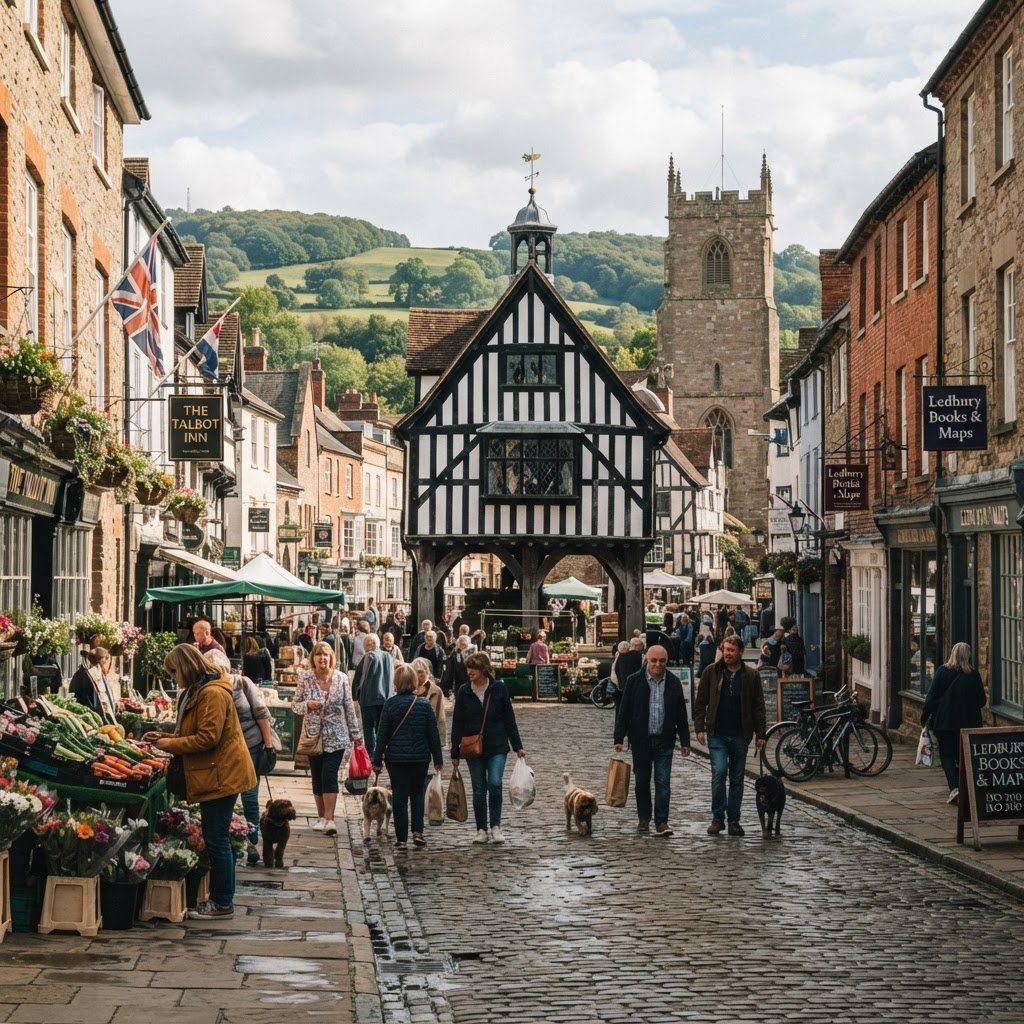
There is a specific kind of magic found only in the crooked alleys of a historic British market town. From the smell of freshly baked scones to the gossip around the village green, here is why I can never stay away.
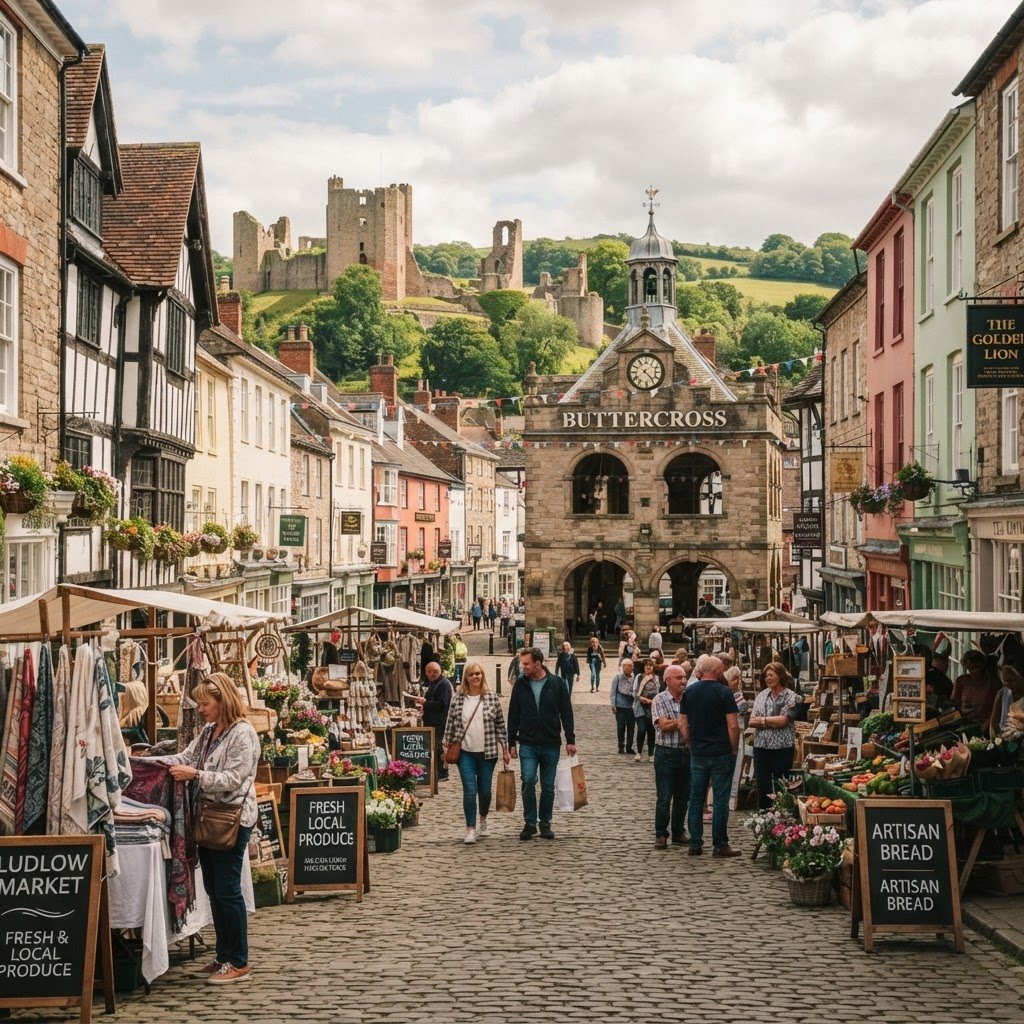
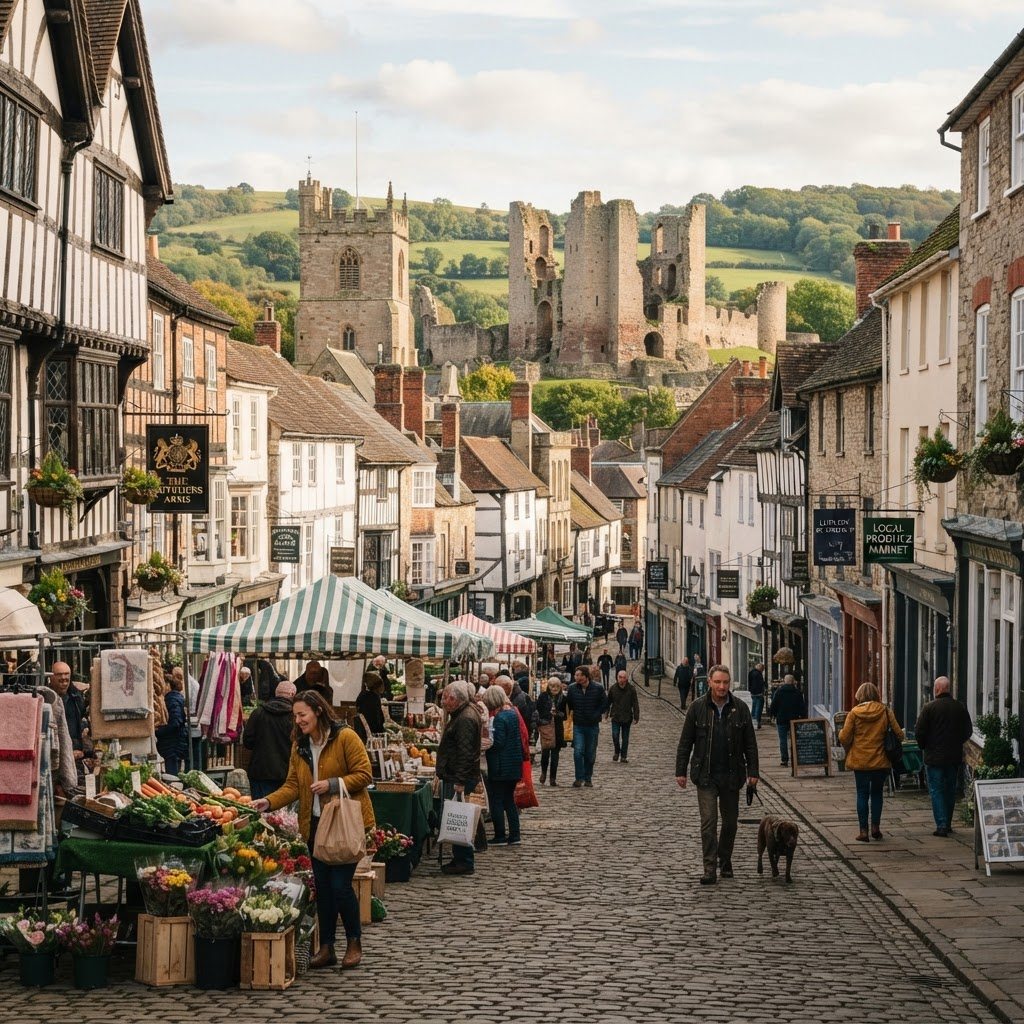
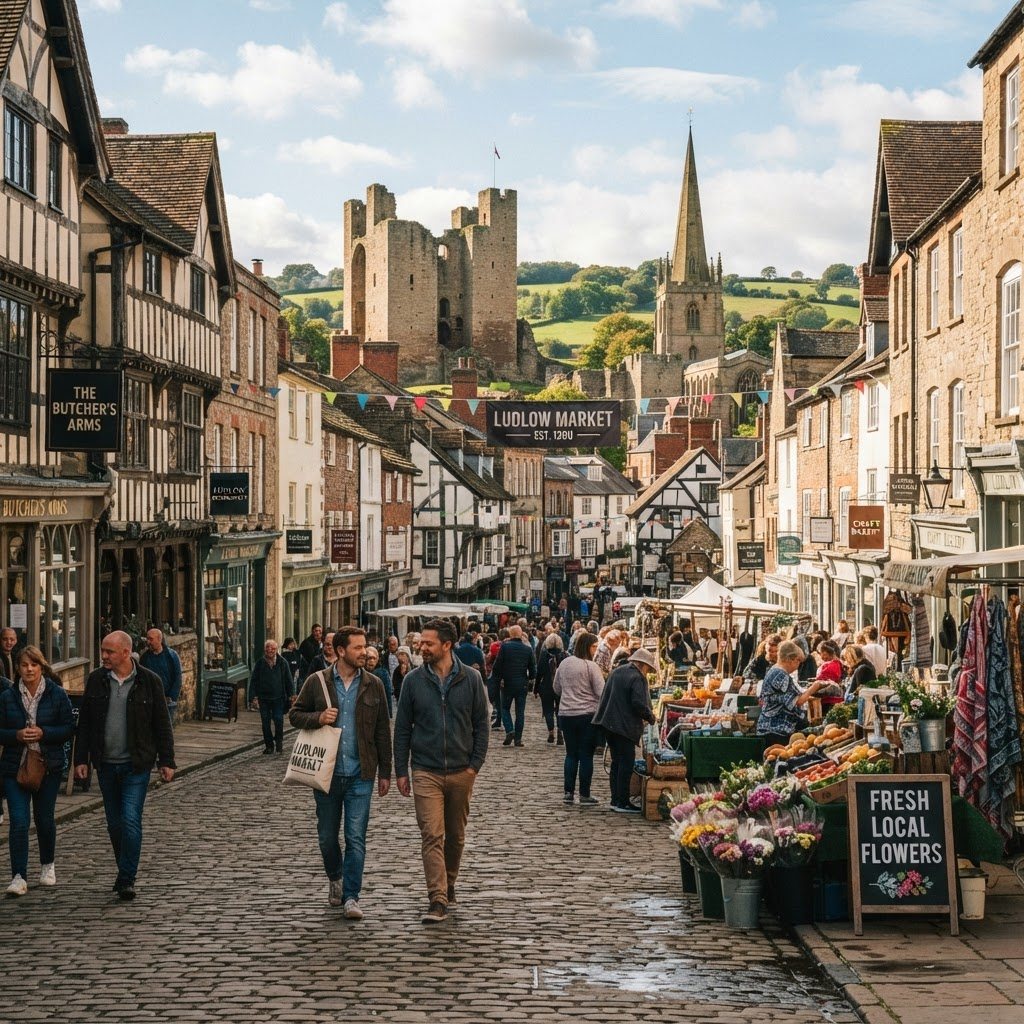
I still remember the first time I pulled into the market square of a small town in the Cotswolds. The rain had just stopped, the light was turning that golden, honey-hued shade that only exists in the British countryside, and the smell of woodsmoke was drifting from a nearby chimney. I had arrived in a place that felt like it had been held in a comfortable, slow-motion pause for the last three hundred years. There is something profoundly grounding about a British market town. It is not the frenetic pace of London or the polished shine of a major tourist hub. It is a place of community, where the local butcher knows exactly how you like your sausages and the woman behind the bookstore counter remembers the last novel you picked up three months ago. My favorite ritual is arriving early on a Tuesday, just as the stallholders are unrolling their canvas awnings. I always head straight for the stall selling local honey and handmade sourdough. There is an art to the way they stack the bread, and the crust has a crunch that you just don't find in a supermarket. If you are ever visiting, here is a bit of advice: ignore the lure of the high-street chains. Instead, duck down the narrow, nondescript 'twittens'—those tiny pedestrian alleys that connect the main roads. They are almost always where the best antique shops or hidden gardens are tucked away. I once found a tiny, ivy-covered café down a side street in Lewes that served the best Earl Grey I have ever tasted, paired with a lemon drizzle cake that nearly made me weep. It is in these small, unplanned discoveries that the true soul of a town reveals itself. I love how time moves differently here. You go to a town like this to lose the need for a digital watch. You spend the morning browsing the local flower stalls, where bunches of sweet peas and sunflowers are tied together with simple twine. You spend your afternoon sitting on a weathered wooden bench in the churchyard, watching the swallows dive-bomb the steeple. Nobody is rushing to get to a meeting, and nobody is checking their emails while walking the dog. The local pubs are the heartbeat of these places. In the evening, the air inside gets thick and warm, smelling of old leather, spilled ale, and history. If you strike up a conversation at the bar, you will usually be treated to a monologue about the town's founding, a funny anecdote about the local mayor, or a very firm recommendation on which nearby footpath offers the best view of the valley. It is intimate, it is wonderfully eccentric, and it makes you feel like you are part of a secret that has been kept for centuries. There is an inherent comfort in these towns, a sense that even if the world outside is changing rapidly, the stone walls of these cottages will stand firm, and the market will be there on Tuesday morning just as it always has been. If you are feeling frayed at the edges and in need of a reset, find a map, pick a name that sounds slightly lyrical, and just go. Bring a good book, wear your most comfortable boots, and let the charm of the market town do the rest of the work.