Cobblestones and Coffee: Why I Lost My Heart to the British Market Town
10 August 2026
There is a specific kind of magic hidden in the narrow alleys and bustling squares of England's smaller towns. Join me as I explore the slow-paced charm that makes these historic hubs so impossible to leave.
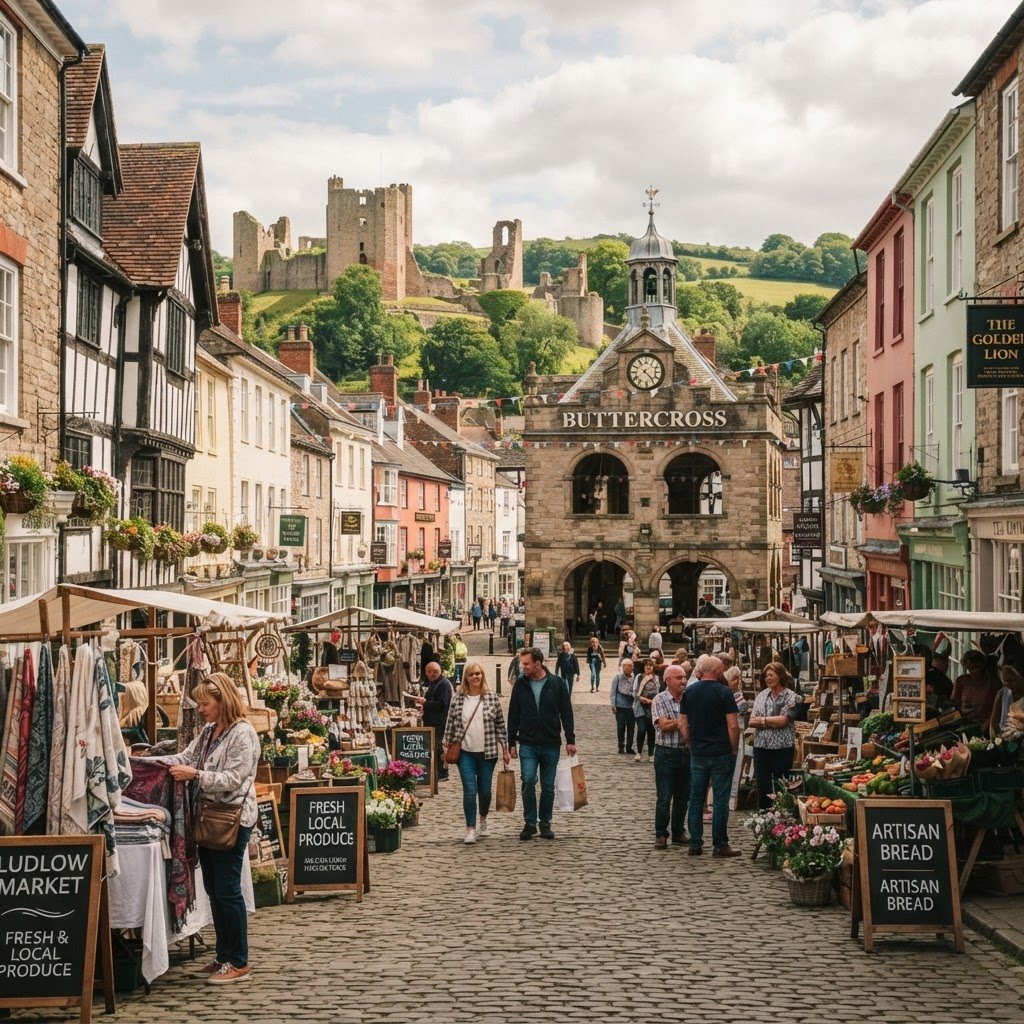
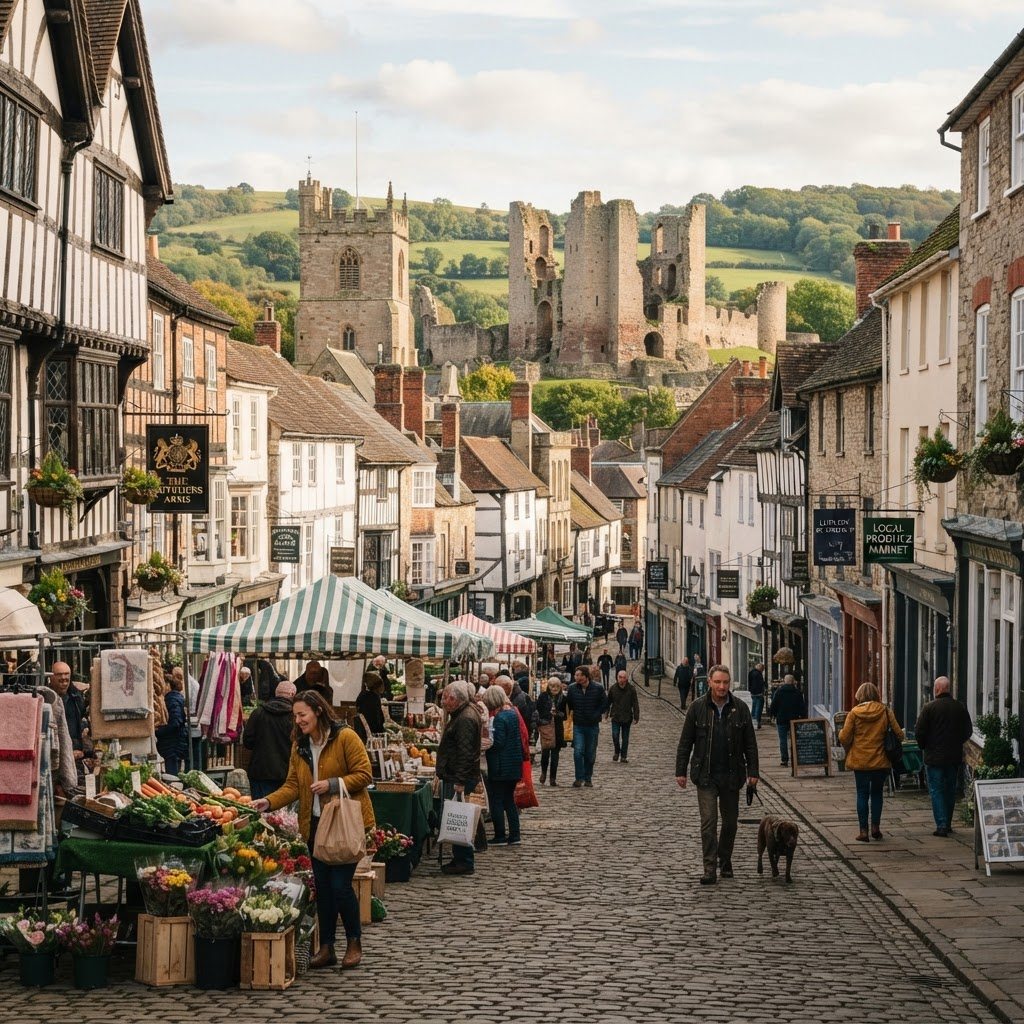
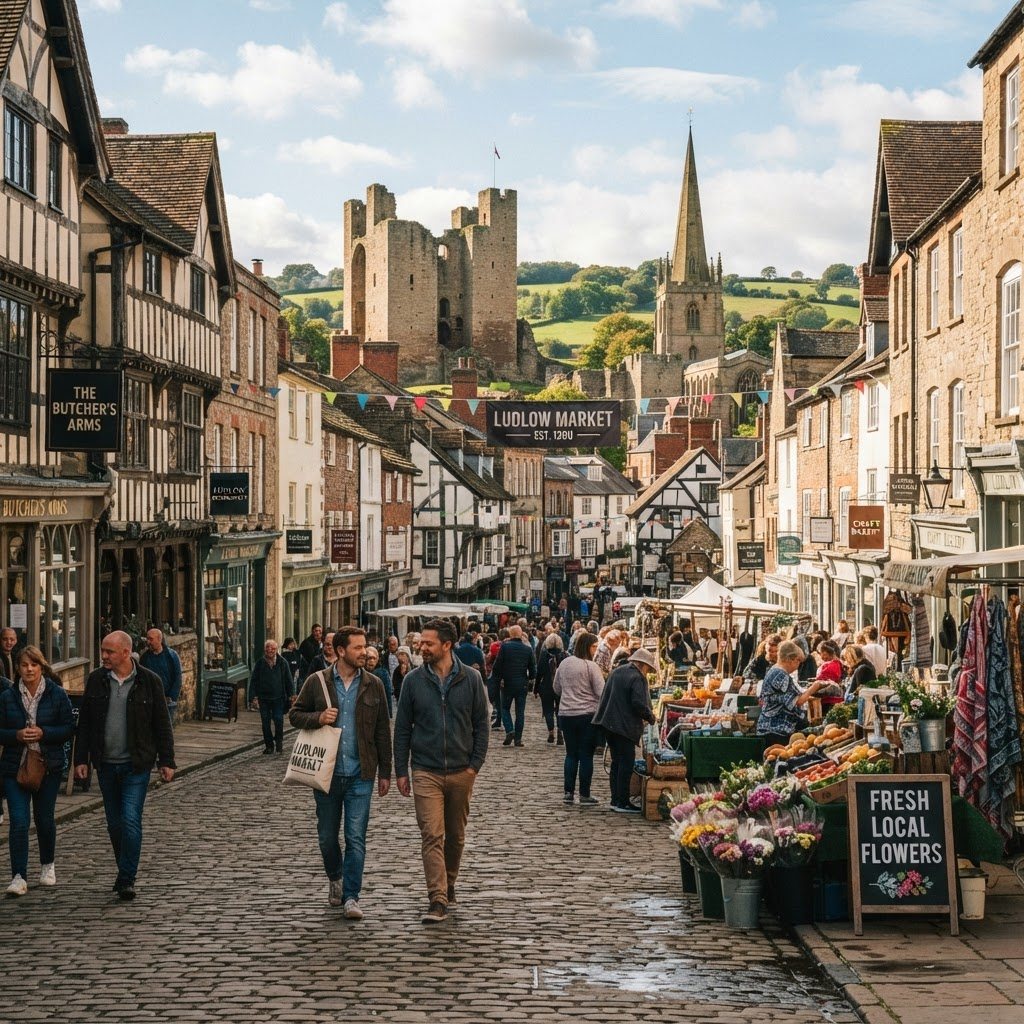
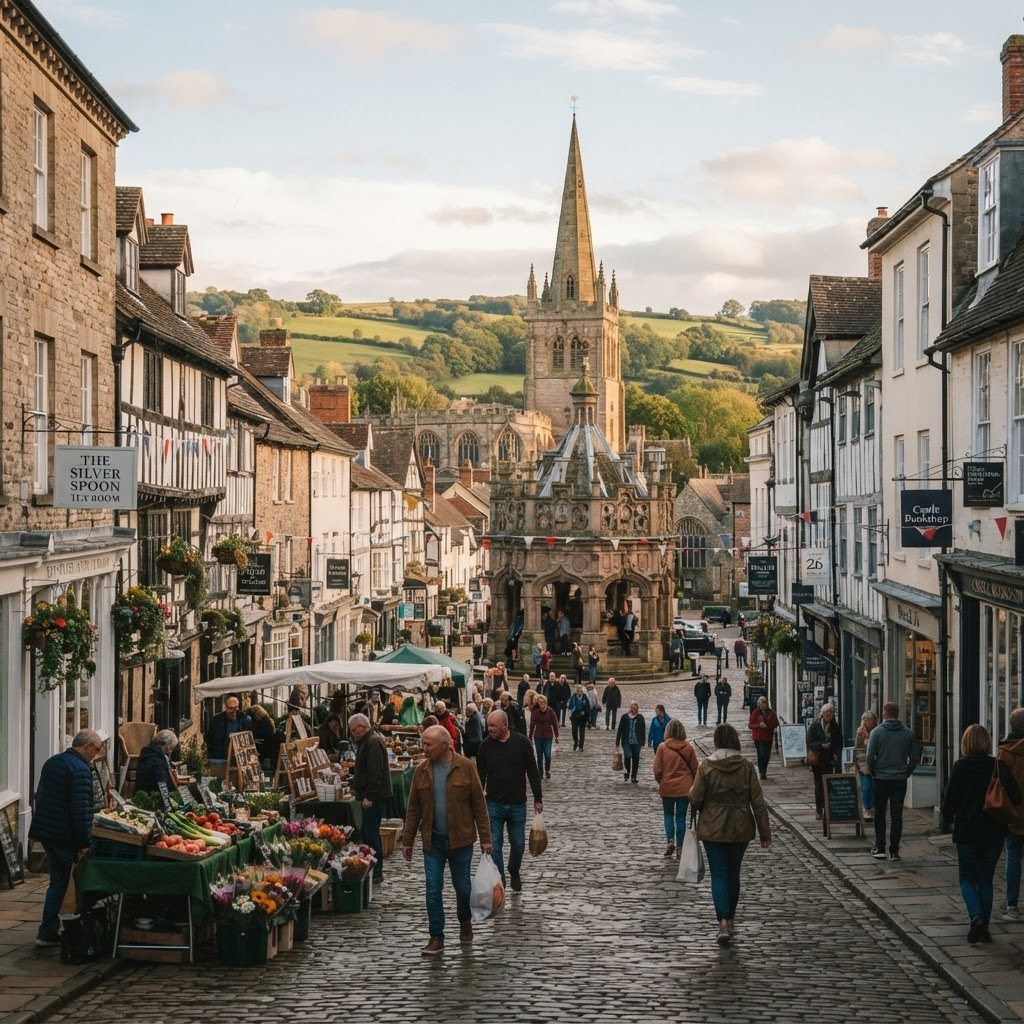
There is something about a British market town that feels like stepping into the pages of a well-loved novel. It isn’t just the honey-colored stone or the way the ivy clings to the centuries-old clock towers; it is the rhythm of the place. Last weekend, I found myself in a small town tucked away in the Cotswolds, and I was immediately struck by the silence—or rather, the lack of city noise. Instead of sirens, the air was filled with the faint clinking of teaspoons against china and the distant, muffled gossip of neighbors meeting at the post office. I started my Saturday at the farmers' market, which occupies the central square every week like clockwork. The smell of freshly baked sourdough bread and locally pressed apple juice was intoxicating. I struck up a conversation with a woman selling organic honey; she insisted I try the wildflower variety, and honestly, it was the best thing I have tasted all year. That is the thing about these towns—people actually have time to talk to you. You aren't just a face in a crowd; you are a neighbor for the morning. I spent the afternoon wandering down narrow, winding lanes that seemed to lead nowhere in particular. I stumbled upon a tiny, independent bookstore that looked like it hadn't changed since the 1970s. The owner was sitting in a velvet armchair in the corner, reading a history book, and didn’t mind at all when I spent an hour browsing the shelves. I walked out with a dog-eared copy of a local folklore collection and a sudden urge to buy a cottage with a thatched roof. For lunch, I followed my nose to a bustling local pub where the interior was all low beams and flickering fireplaces. I ordered a ploughman’s lunch, and the barman made sure to tell me which farm the cheddar had come from just five miles down the road. It feels incredibly grounded to know exactly where your food comes from. If you are planning to visit one of these hidden gems, my biggest tip is to ditch the map. Seriously, just put your phone in your pocket. The best spots—the secret courtyards, the best tea rooms, the hidden gardens—are found when you are slightly lost. Look for the places with the most flower baskets hanging outside; they are almost always a sign of local pride and a welcoming host. As the sun began to dip behind the church spire, casting long, golden shadows across the marketplace, I realized why I find these places so magnetic. They are a necessary antidote to the frantic pace of modern life. They remind us to slow down, to notice the texture of a stone wall, to appreciate the craft of a local potter, and to value the brief, warm connection of a conversation with a stranger. So, the next time you are feeling burnt out, don’t book a flight to a busy capital. Find a train headed for a town you can’t quite pronounce, bring a good book, and let the charm of a slow weekend do the rest. You might find, just as I did, that you never want to leave.